What nobody tells you about moving to Chiang Mai
Three years in, a British teacher writes the honest version of the guide he wishes he had read.
I have now lived in Chiang Mai for three years and two months, which is long enough to have stopped posting photographs of the moat and not yet long enough to be bitter. This is the honest version of the guide I wish somebody had given me.
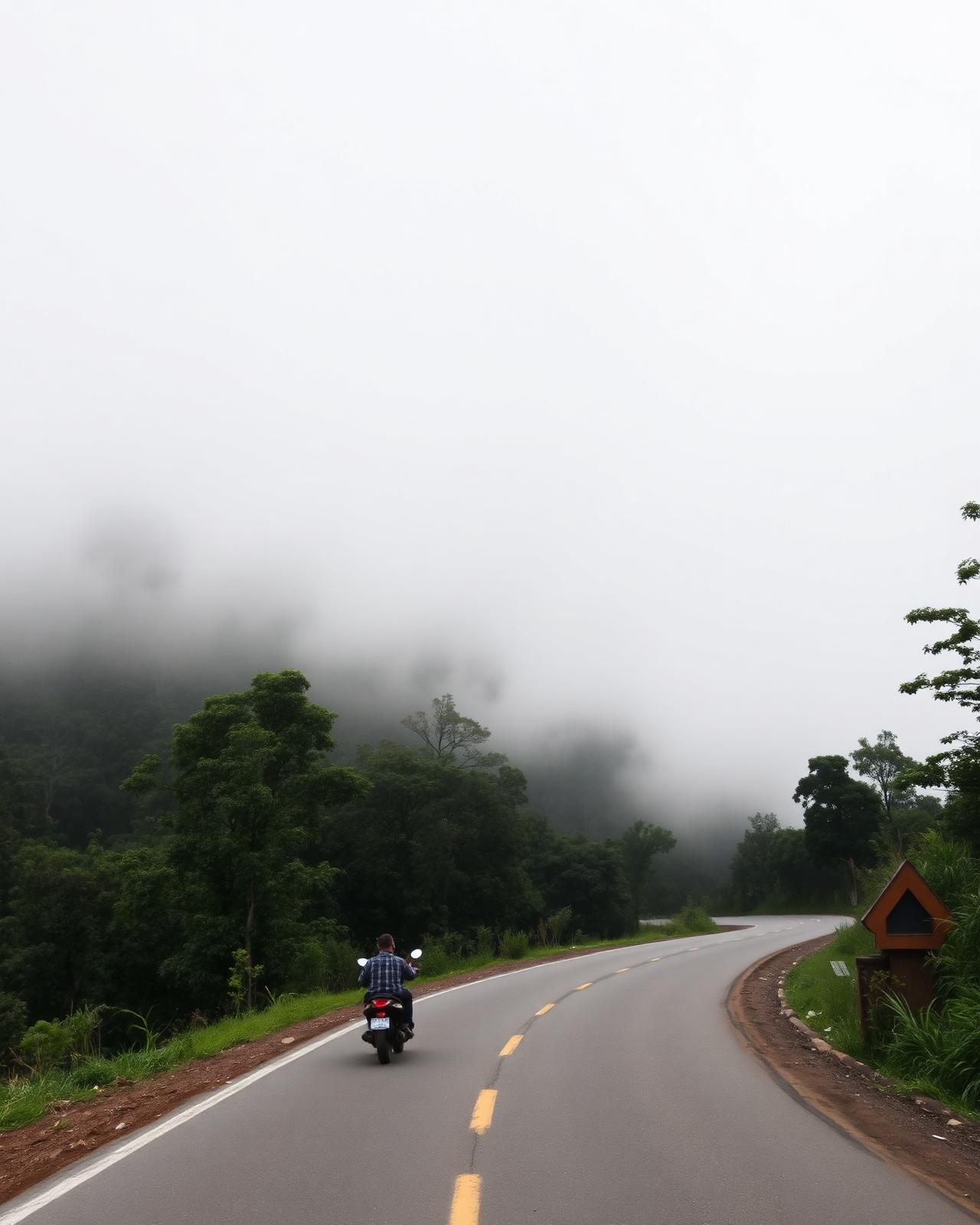
Start with the thing nobody puts in the listicles: the burning season. From roughly late February to early April, farmers across the north and across the border burn crop stubble, and the smoke sits in the valley because Chiang Mai is a bowl with mountains on every side. For six to eight weeks this city regularly has the worst air quality of any city on earth. Not "a bit hazy". PM2.5 readings of 150 to 300, sometimes higher. You will taste it in your flat with the windows closed.
“The people who are relaxed about immigration here are the ones with organised paperwork and a two-month buffer, not the ones with a clever trick.”
Everybody who lives here has a burning-season strategy and none of them are free. Some people leave — the coast, Vietnam, home. Some people buy three air purifiers and stay indoors for two months. Some people insist it does not bother them, and those people mostly leave in year two. Budget for it, in money and in mood. It is the single largest reason foreigners give up on this city, and it is almost never mentioned to them before they sign a year's lease.
Second: the cost of living is real but it is not the number you read. Yes, you can rent a good one-bedroom in Nimman for 12,000 to 18,000 baht, and a house with a garden further out for less. What the blogs leave out is that once you have health insurance that actually covers you (30,000 to 90,000 baht a year depending on your age, and it climbs steeply after fifty), a visa you can renew without anxiety, a motorbike or a car, and the flights home you will absolutely take, the honest all-in figure for a comfortable single adult is closer to 50,000 to 70,000 baht a month than the 25,000 you were promised.
Third: the visa is a job. Whatever route you take — education, retirement, the long-term resident scheme, the digital nomad visa, a real work permit — treat it as an ongoing administrative responsibility with a calendar, not a thing you sorted once. The rules change. They change without much notice and they are applied differently in different provinces and sometimes by different officers in the same building on the same day. The people who are relaxed about immigration here are the people with organised paperwork and a two-month buffer, not the people with a clever trick.
Fourth, and this is the one I got most wrong: the expat social scene is a revolving door and it will break your heart if you do not notice what it is. In your first year everyone is your friend, because everyone here is new and open in the way people are on the second day of a music festival. Then, at a steady rate, they leave. Contracts end, relationships end, the burning season wins, the money runs out. I have said goodbye to more people in three years than in the previous fifteen. The ones who stay sane build at least some of their life around people who are not going anywhere: neighbours, a gym, a language class, a Thai partner's family, work colleagues with mortgages.
Fifth: learn the language, badly, immediately. Not to fluency. Enough to order, apologise, get a price, and greet the woman who runs the shop at the end of your soi every single morning for a year. The difference in how this city treats you is not subtle and it is not about respect in the abstract. It is that you stop being a category and become a person on a street.
The things that are as good as promised: the food, obviously. The fact that a mountain with a road up it is twenty minutes from the old city. The gentleness of daily interaction. The genuinely excellent private hospitals. The way a Tuesday afternoon here has a quality of unhurriedness that I could not manufacture in Britain with any amount of money.
Three years in, would I do it again? Yes. But I would come for six months first, and I would come in March.