The island in low season
When the boats stop running, the people who actually live here get their beach back.
The last ferry of the season leaves at four in the afternoon on a Sunday in June, and by the following Tuesday you can hear the island.
That is the thing I have never been able to explain to people who only come in January. The noise goes. Not the natural noise — the cicadas get louder if anything, and the rain on a tin roof in low season is a physical event — but the layer of human sound that sits over the whole place for seven months of the year. Sound systems, longtail engines, the reversing alarm on delivery trucks, someone testing a microphone at four in the afternoon for a set that starts at nine.
“Every business here is really an annual business pretending to be a monthly one. The ones who fail are the ones who looked at January and signed a lease.”
Then it stops, and the island gets its own scale back.
I have lived on Samui for eleven years and I have come to think of low season as the real one and high season as the shift we work. From roughly the end of May the bookings thin, then the seasonal staff go home to Isaan and Nakhon Si Thammarat and Myanmar, then the smaller places simply close — a chair on the doorway, a padlock, back in October.
Economically it is brutal and nobody who lives here romanticises it. A restaurant that turns 80,000 baht a day in February turns 6,000 in September and still pays rent. Every business here is really an annual business pretending to be a monthly one, and everybody is doing the arithmetic in their head from March onwards. The people who fail on this island are almost always the ones who looked at January revenue and signed a lease.
But something else happens, and it is the reason a certain kind of person stays here for decades.
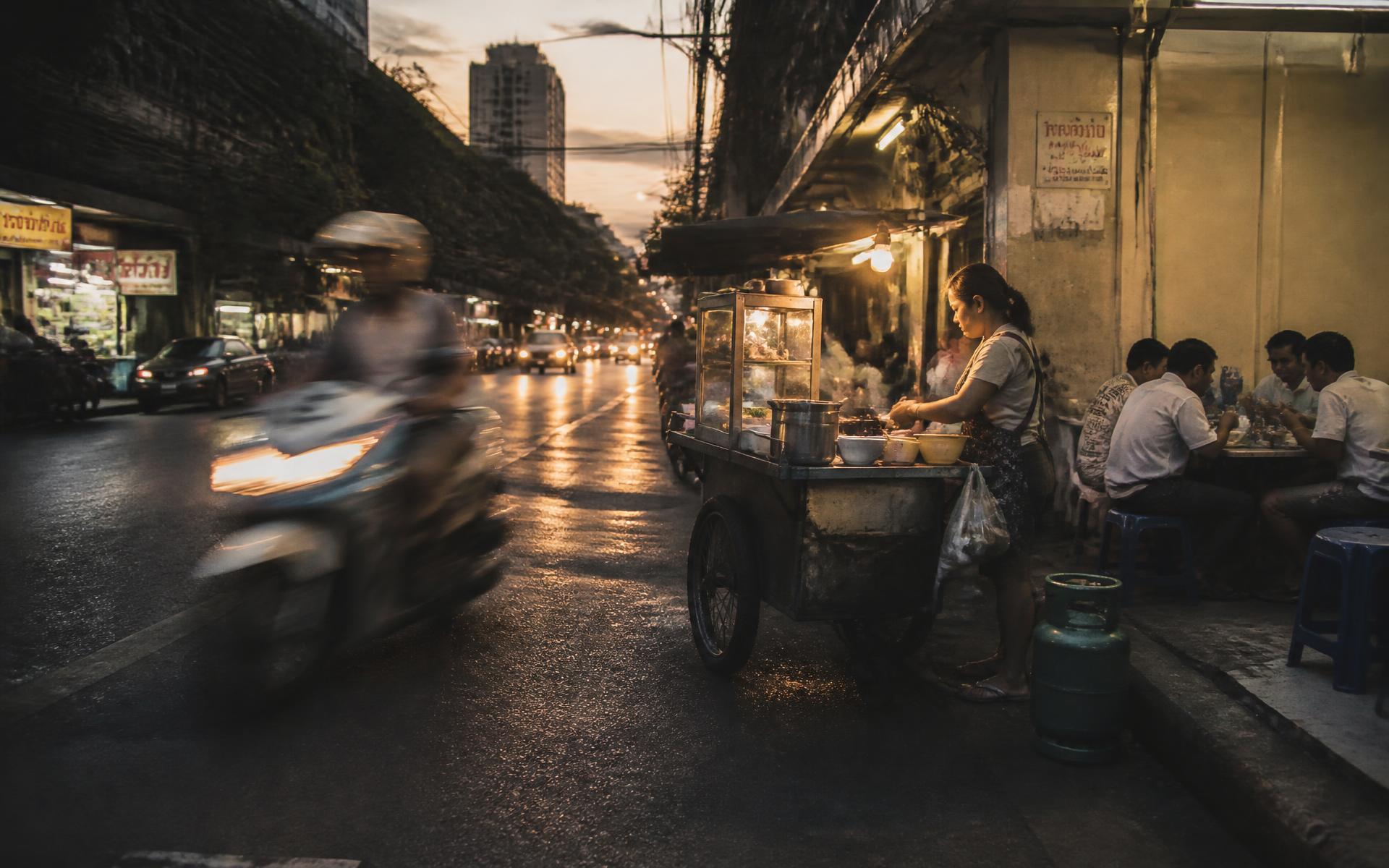
The beaches empty and the residents take them back. Bophut in September at six in the evening is Thai families, dogs, a football game, three teenagers on one motorbike, and maybe four foreigners, all of whom live here and know each other's names. The good restaurants that are booked out for months become somewhere you can walk into at eight and sit with the owner. Prices soften. The traffic on the ring road, which in February is genuinely dangerous, becomes a road again.
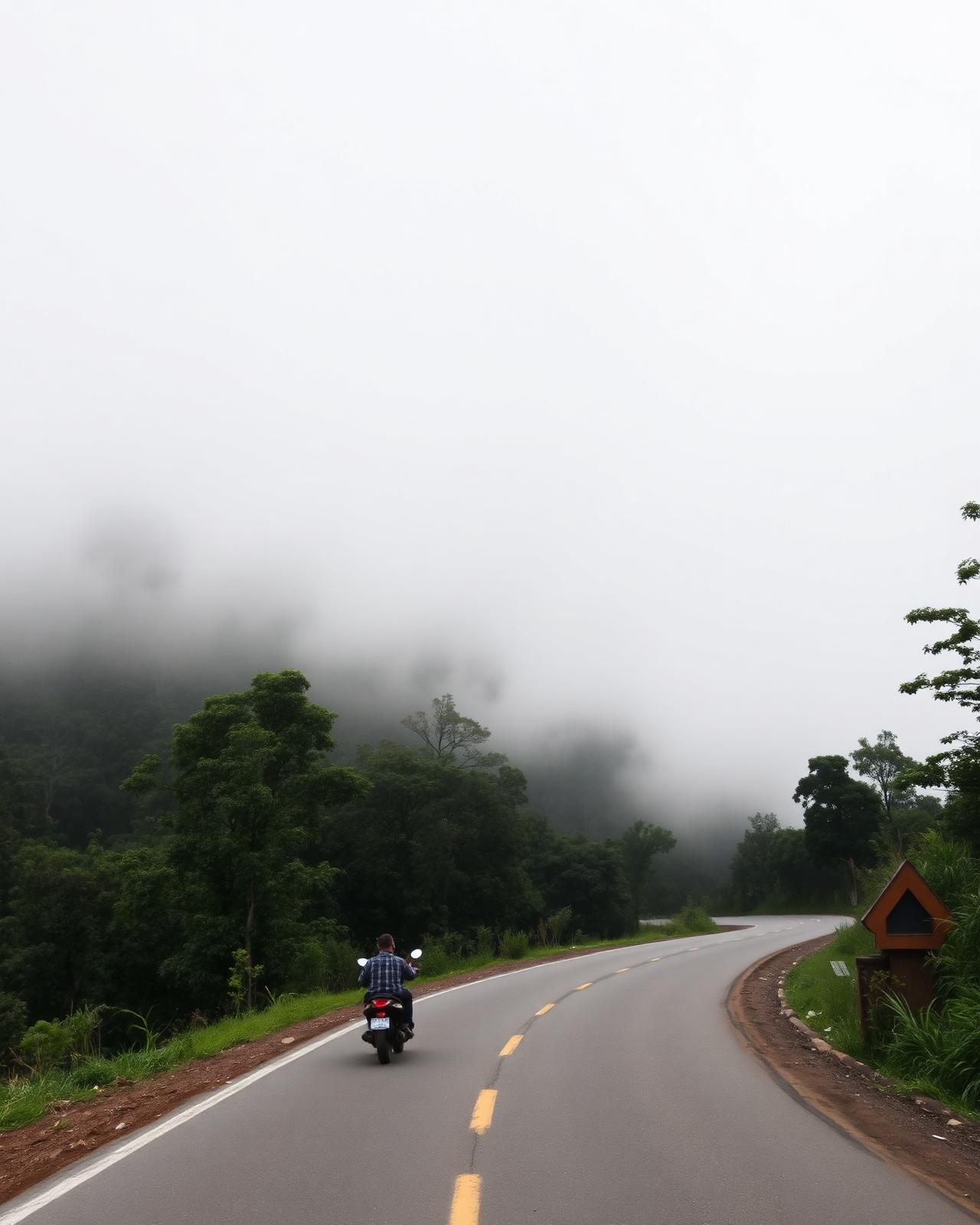
And the weather is not what the brochures imply. Low season on Samui is not months of rain. It is mostly hot, bright, humid days interrupted by an enormous and theatrical storm that arrives at four in the afternoon, does something spectacular over the sea for ninety minutes, and leaves the air washed. The genuinely wet period is short and it is usually October to December — which, awkwardly for everybody, is the shoulder into high season.
There is a loneliness to it too, and it would be dishonest not to say so. Island populations shrink in low season and the people who remain drink more than they should. The mental health of long-term foreign residents on Thai islands is a real subject and it is not discussed nearly enough. September is when it shows.
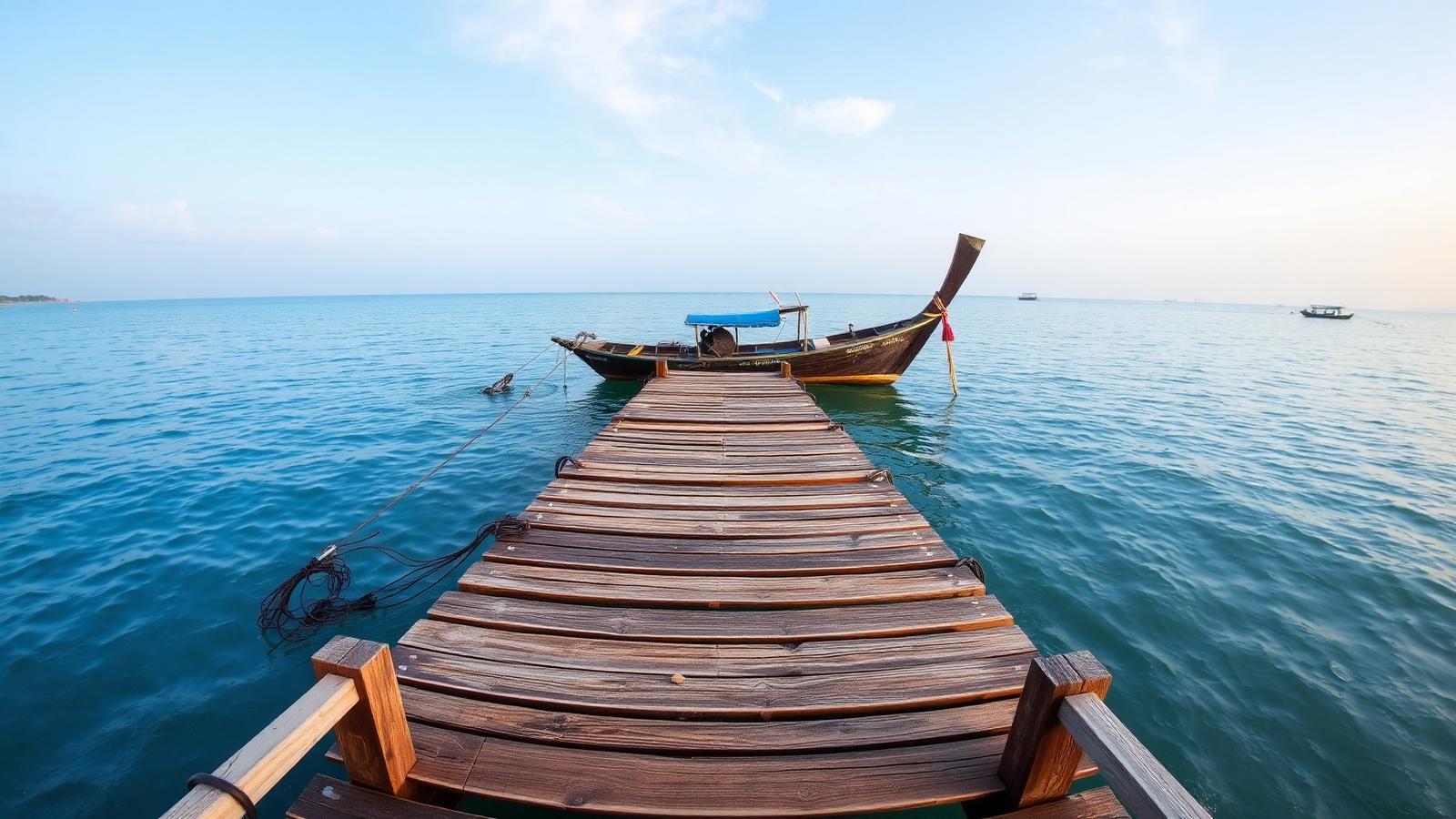
Still. If you want to know whether you could actually live on an island, do not come in high season. Come in September, when the boats are half empty, half the restaurants are shut, and the sea is warm and grey and completely, unreasonably yours.