Nine hours in a Bangkok hospital
What a broken wrist taught one resident about the Thai healthcare system, money and kindness.
I broke my wrist at nine in the morning on a wet marble step outside a 7-Eleven in Phra Khanong, in the least cinematic accident of my life, and by six that evening I had been X-rayed twice, seen by an orthopaedic consultant, had the bone set under sedation, and paid 21,400 baht.
I want to write this down carefully, because Thai healthcare is one of the most misrepresented subjects among foreigners here — praised as a miracle by people who have had one good experience and dismissed as a trap by people who have had one bad bill.
“A nurse sat with me for twenty minutes because I was alone and frightened, and talked badly about football. Nobody asked her to, and it was not on the invoice.”
I went to a mid-range private hospital, not one of the famous ones. The lobby looked like a hotel. I was triaged in about four minutes by a nurse whose English was better than my Thai will ever be, and the first question was not about insurance. That surprised me more than it should have, and I have thought about why since: I am British, and I had braced for either an NHS queue or an American interrogation about coverage.
The speed is genuinely remarkable and it is not a myth. X-ray within twenty minutes. A consultant, an actual consultant, looking at it within the hour. In Britain that day would have been eleven hours in an A&E corridor and a follow-up appointment three weeks later.
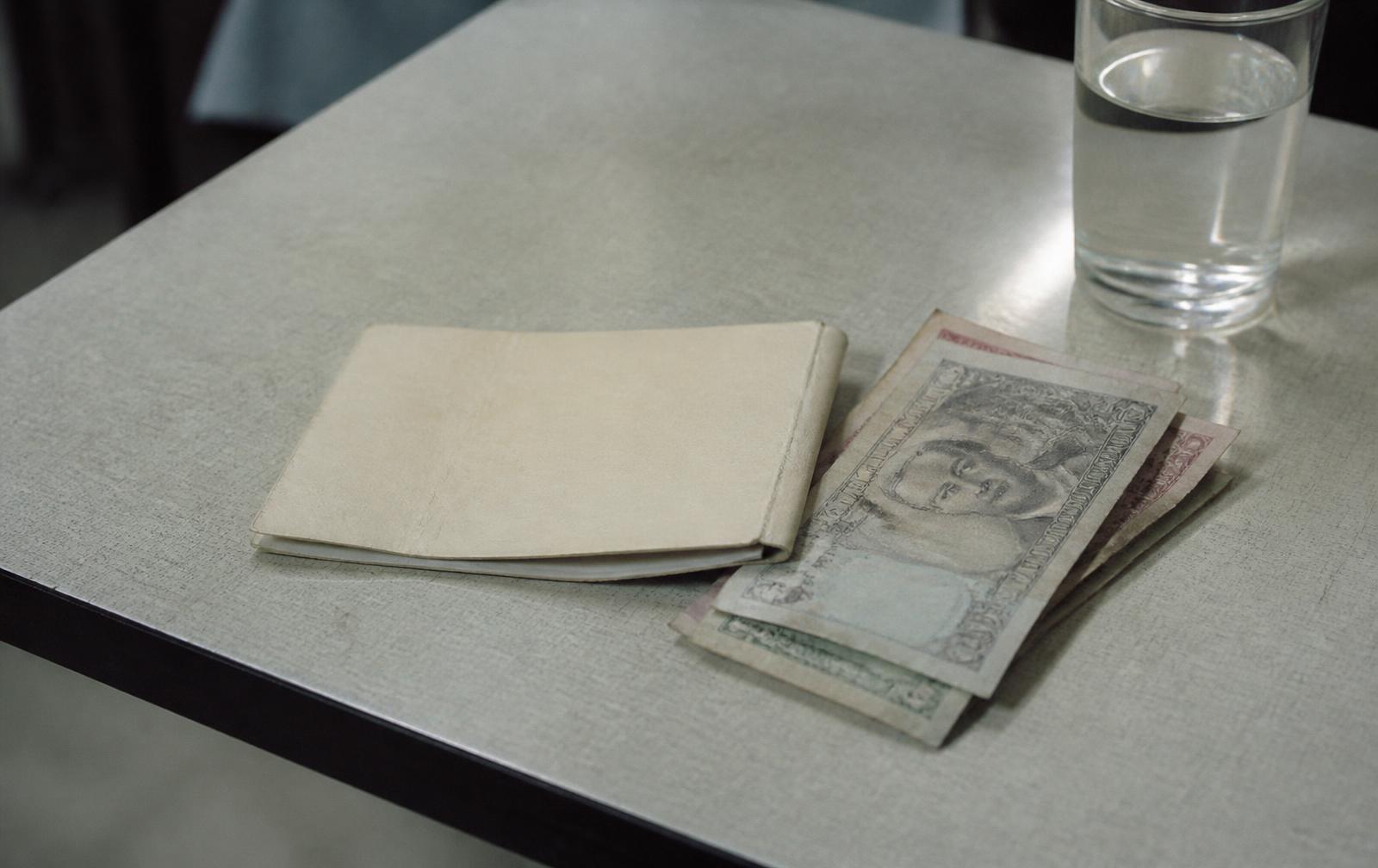
But the speed is a product, and the product has a price structure, and this is the part people do not tell you. There is a small charge attached to almost everything, itemised beautifully: the sedation, the room used for ninety minutes, the sling, the four paracetamol I was handed in a paper cup. Nothing was unreasonable on its own and none of it was hidden. It is simply a different philosophy — you are a customer, and customers are treated well and invoiced precisely.
The other thing I learned is that private is not the whole system. There are three layers here. The universal coverage scheme, which covers Thai citizens for almost everything at government hospitals at nearly no cost, and which is a genuine public health achievement that gets nowhere near the international credit it deserves. The government hospitals themselves, which are excellent clinically and grim experientially — you take a number at five in the morning and you wait all day, and foreigners can and do use them at low cost. And the private tier, where nearly all expats end up, which is fast and comfortable and where a serious illness without insurance will end you financially. A cardiac event at a top Bangkok private hospital can run to two million baht.
Get insurance. That is the practical takeaway and it is boring and I will keep saying it. Not travel insurance if you live here — proper local or international health cover. Buy it before you turn fifty, when it is cheap and before you have a history.
The part I did not expect was the kindness. Not the professionalism, which I had been told about. The kindness. A nurse in her twenties sat with me for the twenty minutes before the sedation because I was on my own and clearly frightened, and made conversation about football, badly, in English, about a team she had plainly never watched. Nobody asked her to do that and it was not on the invoice.
Six weeks later, the wrist is fine. What stayed with me is the memory of a hospital that treated speed as a service, money as an open subject, and a stranger's fear as something worth twenty unpaid minutes.
I am still not entirely sure what to conclude about a system that does all three at once. But I know which of the three I would put first.